The world of fast-changing technology makes user interface (UI) and user experience (UX) design crucial for the success of digital products. The UX/UI design process is not just about creating visually appealing interfaces – it’s mainly about understanding users’ needs and expectations, which leads to their satisfaction and loyalty.
In this post, I want to explore the design process – from the first concepts to final implementation. I will break it down into phases, analyzing each step to give a complete understanding of how to design products that are not only visually striking but also meet user needs and expectations.
Stage 1: Understanding and Analysis
User and competitor analysis
The first stage of the UX/UI design process is a key foundation for creating a product that meets users’ deep needs. It focuses on truly understanding who the users are and what their expectations and problems are.
- User research: At this first step, we focus on directly understanding users’ needs, expectations, and problems. This involves collecting data, conducting interviews and surveys, and analyzing feedback.
- Competitor analysis: Moving on to competitor analysis helps identify best practices as well as mistakes to avoid. It’s important to pay attention to industry trends and spot gaps that can be used to improve our product.
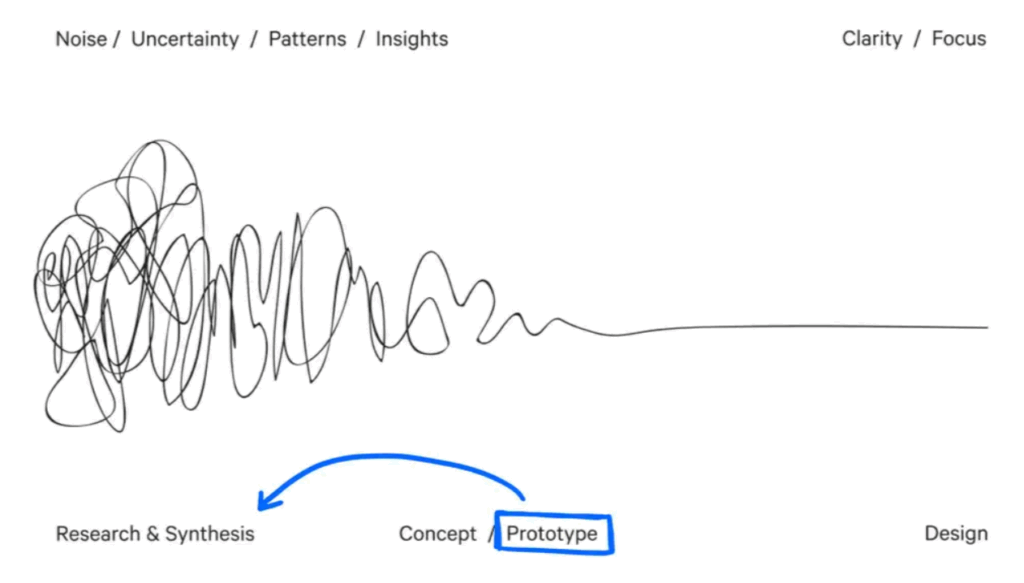
Stage 2: Concept and Planning
Mapping and defining goals
- Defining goals:
Setting user goals helps us focus on what truly matters to them. It also prevents distractions during the design process. These goals should always align with the business goals.
- User mapping:
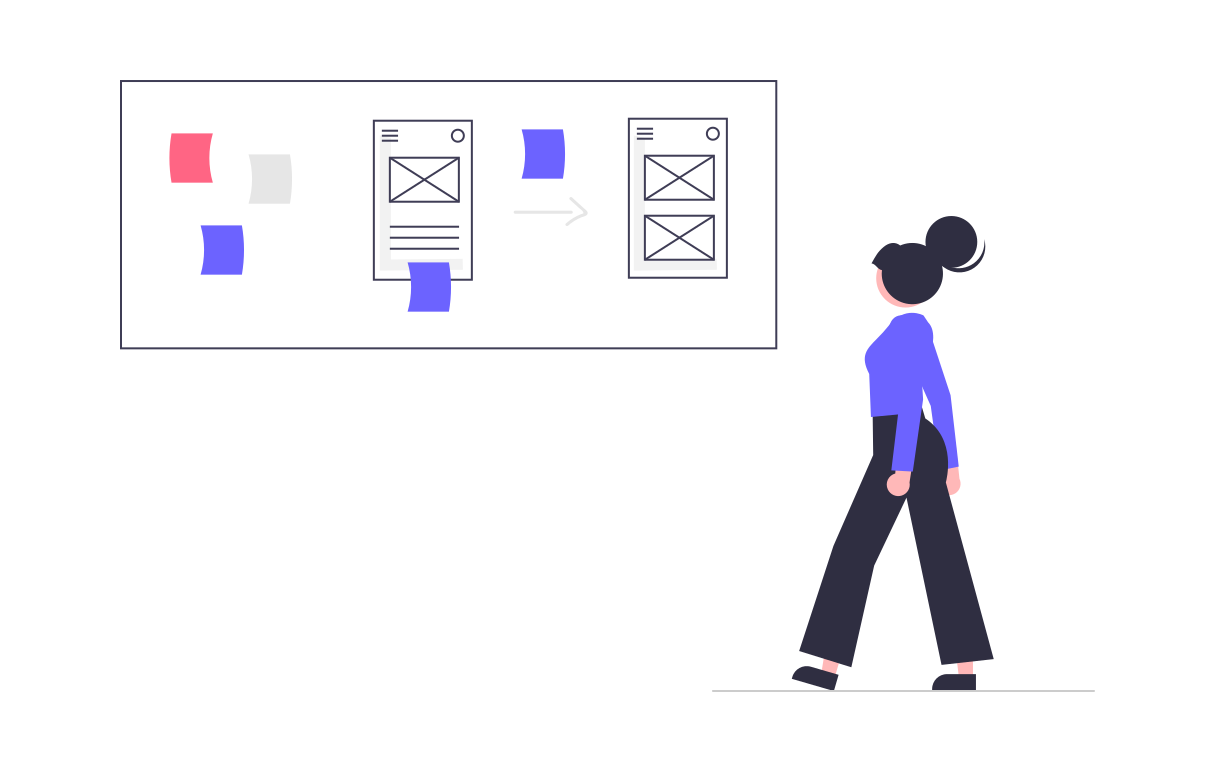
Creating a user map is a tool that helps us develop the user’s journey through the product – from the moment they first enter the website to the moment they achieve their goal.
Stage 3: Information Architecture and Wireframing
- Information architecture:
This is the structure of the product – a kind of diagram that shows the subpages of the website and the relationships between them. Creating information architecture means planning the content that will appear on each screen in a logical and strategic way.
- Wireframing:
This is the moment when we arrange the elements on each screen, set spacing, define hierarchy, and create empty spaces. At this stage, we do not design visually yet – we don’t focus on colors or typography.
Stage 4: Testing and Optimization
- User testing:
This helps us understand how potential users interact with the interface. The tests include different usage scenarios to identify possible difficulties and learn the context and behavior of users. It’s important to collect not only behavioral data but also users’ opinions and reactions to individual interface elements.
- Optimization:
Based on the test results, we make iterative changes to the design. This approach allows us to quickly respond to problems and improve the user experience.

Stage 5: Design
- Design:
The Design stage is when abstract ideas and concepts start to take a concrete form. It focuses on creating the user interface (UI) that matches the previously defined goals and user needs. We choose the color palette and define the typography to give the project its visual identity.
Stage 6: Implementation and Testing
- Implementation:
UX/UI designers work closely with developers to provide all necessary information about the appearance, interactions, and functionality of the product. Clear communication is essential to avoid misunderstandings and keep the final product consistent with the design.
- Testing:
After implementation, functional tests are carried out to make sure that all interface elements work as expected.
We have gone through all the key stages – starting with understanding and analysis, then moving through concept development, design, testing, and finally the implementation phase. Design is the moment when ideas take shape, while testing and optimization help refine every detail. The final implementation turns the project into a real product and requires close cooperation with the development team.
We also highlighted that the UX/UI design process is a continuous cycle of improvement, aimed at giving users satisfying and effective experiences. Remember that each stage matters, and a comprehensive approach is the key to a successful project.
